
11 months ago
Tyla vs. Shebeshxt: Fans Clash Over Nike Endorsement Deal
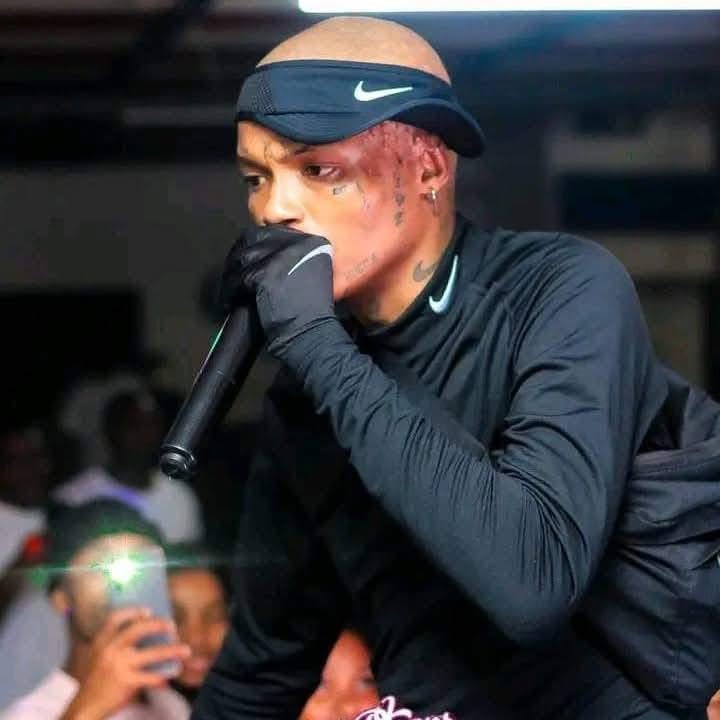
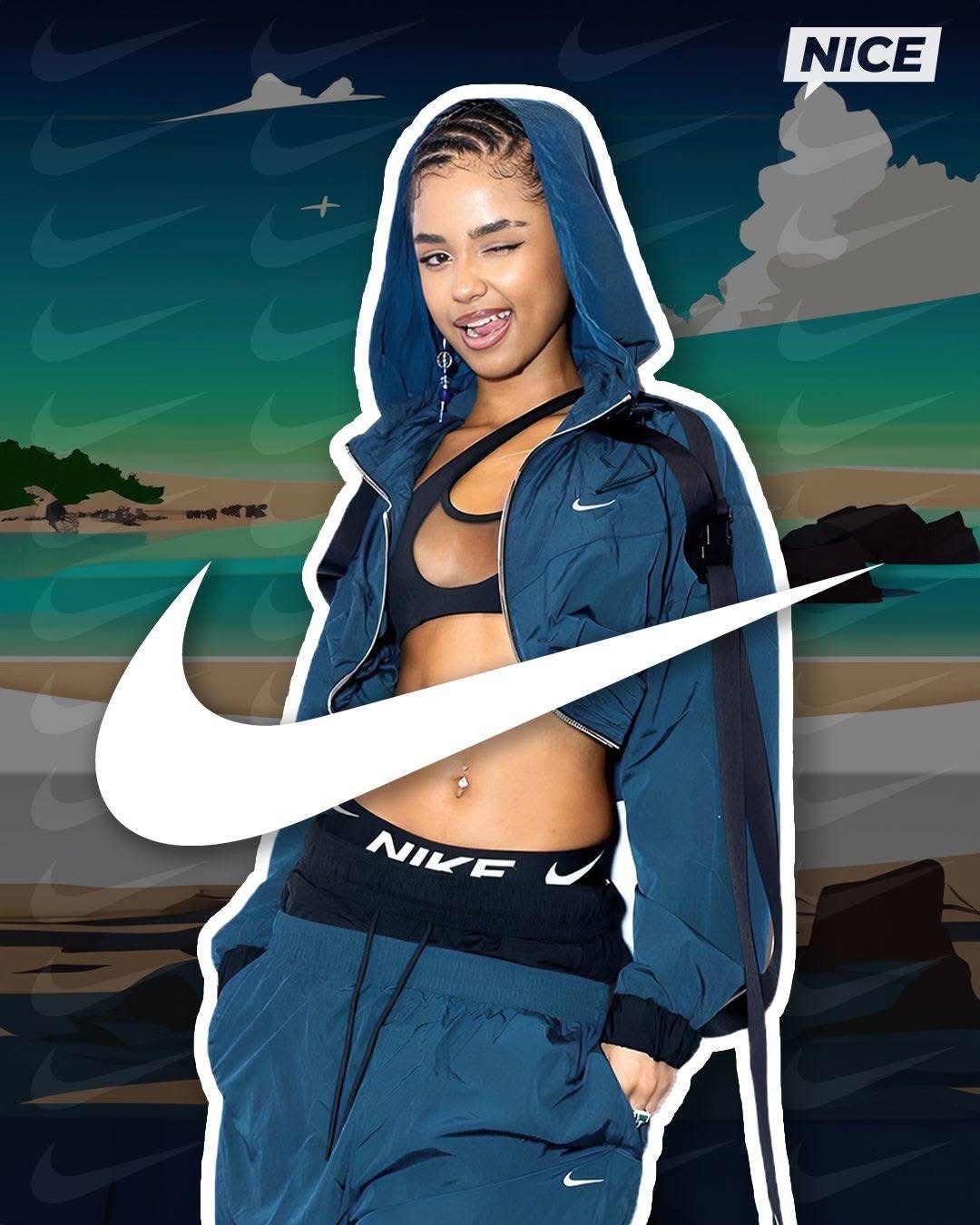
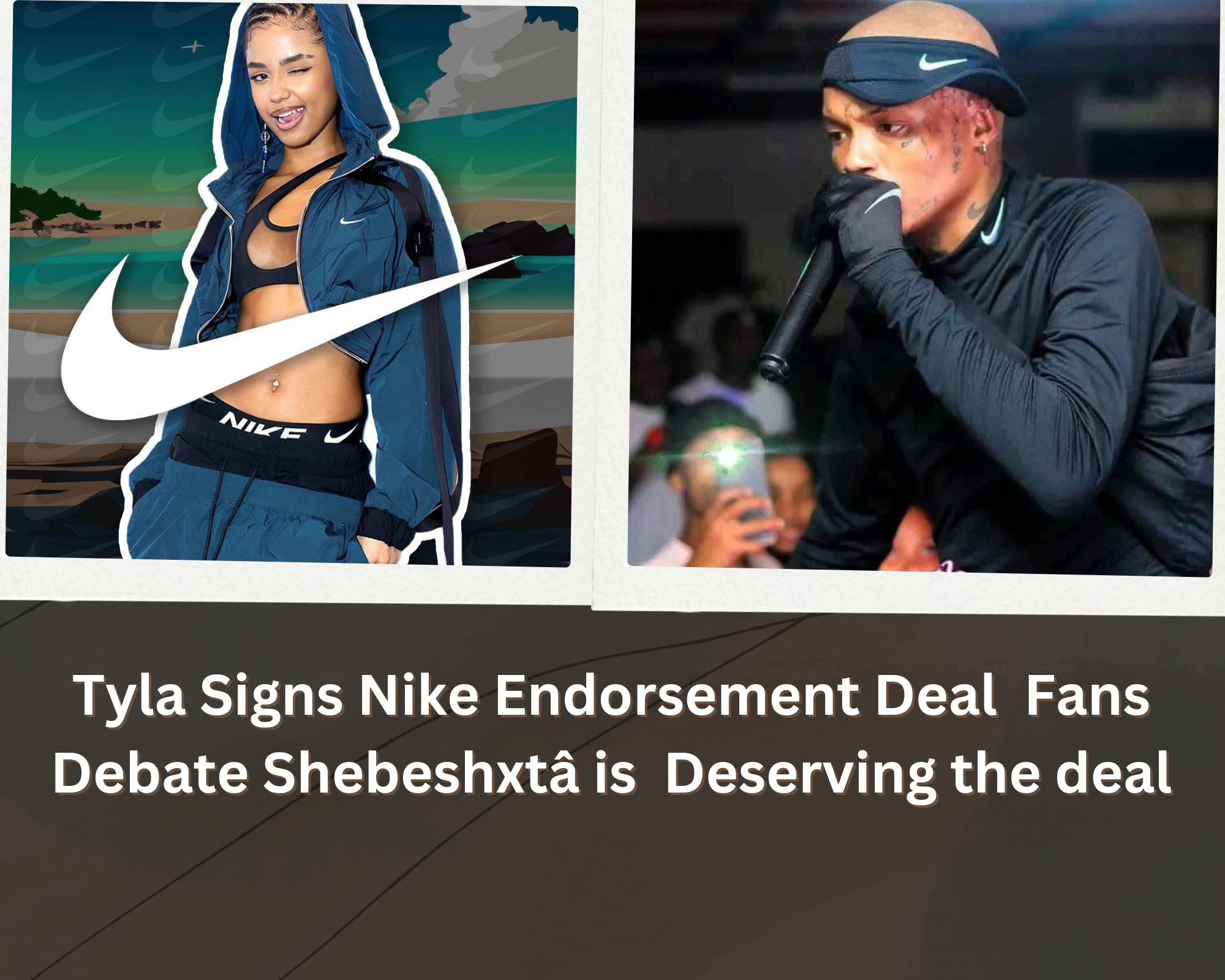
Social media is on fire as a heated debate erupts over Nike’s latest endorsement deal with Tyla. While many are celebrating the “Water” hitmaker’s huge achievement, others believe that Shebeshxt—one of the most talked-about artists in South Africa right now—was more deserving of the deal.
The Debate: Tyla vs. Shebeshxt
Tyla’s global success and growing influence in the music industry have made her a perfect fit for international brand deals. With a Grammy win, chart-topping hits, and a strong fashion presence, her partnership with Nike seems like a natural move. However, some fans argue that Shebeshxt has had a bigger cultural impact locally, resonating deeply with grassroots supporters in South Africa.
Shebeshxt’s supporters claim that he embodies the authentic street culture and raw energy that Nike often ******* ociates itself with, making him the ideal candidate for a deal. His influence in the Kasi and his unfiltered, rebellious style align with the “Just Do It” spirit that Nike represents.
Social Media Reactions
The debate has split fans into two camps:
🔥 Team Tyla – Argues that her international reach, polished brand, and global appeal make her the obvious choice.
🔥 Team Shebeshxt – Believes Nike should have embraced a more local, streetwise artist who represents the real SA hustle.
One user tweeted: “Tyla is big internationally, but Shebeshxt is the people’s champ. Nike should have picked him to keep it real!”
Another countered: “Tyla is the future. She’s putting SA on the map globally. The Nike deal makes perfect sense.”
What’s Next?
With Shebeshxt’s rising influence, could another major brand step in and give him a deal that matches his street appeal? Will Nike address the controversy? One thing is for sure—the Shebe vs. Tyla debate is far from over, and both artists continue to make serious waves in their own lanes.
What do you think? Did Nike make the right choice, or should they have picked Shebeshxt?
#Tyla #Nike #Shebeshxt #Shebexhit #SAMA #Endorsement
Social media is on fire as a heated debate erupts over Nike’s latest endorsement deal with Tyla. While many are celebrating the “Water” hitmaker’s huge achievement, others believe that Shebeshxt—one of the most talked-about artists in South Africa right now—was more deserving of the deal.
The Debate: Tyla vs. Shebeshxt
Tyla’s global success and growing influence in the music industry have made her a perfect fit for international brand deals. With a Grammy win, chart-topping hits, and a strong fashion presence, her partnership with Nike seems like a natural move. However, some fans argue that Shebeshxt has had a bigger cultural impact locally, resonating deeply with grassroots supporters in South Africa.
Shebeshxt’s supporters claim that he embodies the authentic street culture and raw energy that Nike often ******* ociates itself with, making him the ideal candidate for a deal. His influence in the Kasi and his unfiltered, rebellious style align with the “Just Do It” spirit that Nike represents.
Social Media Reactions
The debate has split fans into two camps:
🔥 Team Tyla – Argues that her international reach, polished brand, and global appeal make her the obvious choice.
🔥 Team Shebeshxt – Believes Nike should have embraced a more local, streetwise artist who represents the real SA hustle.
One user tweeted: “Tyla is big internationally, but Shebeshxt is the people’s champ. Nike should have picked him to keep it real!”
Another countered: “Tyla is the future. She’s putting SA on the map globally. The Nike deal makes perfect sense.”
What’s Next?
With Shebeshxt’s rising influence, could another major brand step in and give him a deal that matches his street appeal? Will Nike address the controversy? One thing is for sure—the Shebe vs. Tyla debate is far from over, and both artists continue to make serious waves in their own lanes.
What do you think? Did Nike make the right choice, or should they have picked Shebeshxt?
#Tyla #Nike #Shebeshxt #Shebexhit #SAMA #Endorsement
11 months ago
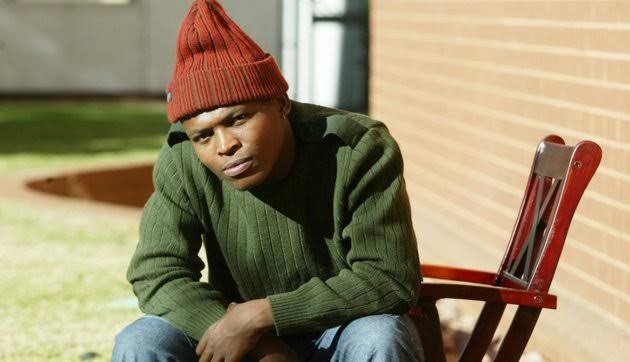
Brown Dash took a short break from recording his new album, Back to Kasi, to talk to Mshana about his industry journey
Ayoba', I shout when I finally meet Siphiwe Mpamile, AKA Brown Dash, of Phans' Komthunzi Welanga
fame, outside his studio in Wilgeheuwel. By the time I found it, I had spent close to two hours searching for his house in this quiet suburb in Roodepoort. Kasi to suburbs: it's been a long journey for Brown too. When he was growing up in Zola, Soweto,
long before he even considered a career in music, the kwaito star dreamed of becoming a police officer. I grew up in a rough area, where crime was heavy. I didn't want criminals around, I only wanted to arrest them, he says. However, he saw how gangsters got the respect of some youngsters in the community and admits that that this tempted him. Life wasn't easy for us
and I didn't have enough money to go to tertiary. It was bad, and I did crime stealing cars, but I was never arrested.
When I ask him what made him change his ways, I expect to hear about a fellow criminal getting shot, or arrested, but Brown's answer takes me by surprise. When you do something and your heart is not there, you'll never be free. As long as
you know you stole, that guilty conscience follows you, and I didn't like it. Music was on my mind all the time.
Brown's big break in music came after he had left his criminal ways, when childhood friend Mapaputsi featured Brown doing two lines on his hit song Izinja. Before that, Brown's only experience
had been entertaining locals at school events. It was my biggest break,' he smiles. I was scared as it
didn't was my first time working with a ted
white producer ,, he (D-rex).
The track became a big hit, (D-rex).' The track became a big hit, and people started recognizing Brown Dash. He also featured on Mzekezeke's first album, Sguqa, in 2003. Brown says even though he wasn't ready, he had no choice but to record an album, as people were demanding to hear more of him.
He signed with DJ Sbu's TS Records and released his debut album, Puff and Pass, which was produced by DJ Cleo. This was followed by Mthandazo Wabolova (which won a best-album SAMA in 2005) and Dashboard. Brown left the company earlier this year, but remains positive about their role in shaping his career. 'It was a blessing to work with Mzekezeke. The whole team at TS records was the best.' Brown has also formed his own company, Dash-line Entertainment.
One of his aims is giving kasi youngsters a chance to record their music, because he knows about the
struggles they face when approaching companies with their demos. 'Everything relating to the company is falling into place. Our aim is to do talent searches, as no one wants to do it. I's not easy for •
companies to accept demos, they get many of them. It will be easier for me to get talent, as guys can easily approach me. I believe in people with
self-confidence and I will listen to them and advise them on what needs to be done, he says. They just need to be different and creative' Owning a company comes with its own challenges, he found. 'To be responsible is hard. You need to be sure of what you do and be a hardworking individual. However, I learnt from them that it is in your hands to make it work.'
There have also been changes to his personal life - he recently got married, and has moved to the suburbs. I think one needs to be ready for this type of commitment (marriage) as we (artists) are always on the streets. As long as you have someone who understands, it is easy,' he says. And how has he adjusted to the suburbs? You get used to the life, but it is not easy because it is expensive,' he explains. The worst thing about the suburbs is that you don't have neighbours like ekasi. Some of them have an attitude, and are suspicious of us. When I ask whether living in suburbs has changed him, he smiles. 'I don't think so. I took kasi and put it in the suburbs!'
Brown sees a strong link between kwaito, and the township. To him, kwaito epitomizes kasi life, which is why he is always in the townships doing research for his next songs. I know we can teach people through kwaito. Each and every day, kasi people help to inspire my music.' Brown Dash is recognized as one of the artists who has pushed
kwaito to new levels, while still keeping the sound kwaito-lovers can relate to. His style is faster than
earlier kwaito and has thumping beats that make use of very creative production. I ask him whether he feels kwaito is under threat from other styles, such as hip-hop. *People feel like kwaito is dropping because producers have the same beat. I think if people can be more rative. kwaito will never die.. It's kasi people's pride, he says.
Ayoba', I shout when I finally meet Siphiwe Mpamile, AKA Brown Dash, of Phans' Komthunzi Welanga
fame, outside his studio in Wilgeheuwel. By the time I found it, I had spent close to two hours searching for his house in this quiet suburb in Roodepoort. Kasi to suburbs: it's been a long journey for Brown too. When he was growing up in Zola, Soweto,
long before he even considered a career in music, the kwaito star dreamed of becoming a police officer. I grew up in a rough area, where crime was heavy. I didn't want criminals around, I only wanted to arrest them, he says. However, he saw how gangsters got the respect of some youngsters in the community and admits that that this tempted him. Life wasn't easy for us
and I didn't have enough money to go to tertiary. It was bad, and I did crime stealing cars, but I was never arrested.
When I ask him what made him change his ways, I expect to hear about a fellow criminal getting shot, or arrested, but Brown's answer takes me by surprise. When you do something and your heart is not there, you'll never be free. As long as
you know you stole, that guilty conscience follows you, and I didn't like it. Music was on my mind all the time.
Brown's big break in music came after he had left his criminal ways, when childhood friend Mapaputsi featured Brown doing two lines on his hit song Izinja. Before that, Brown's only experience
had been entertaining locals at school events. It was my biggest break,' he smiles. I was scared as it
didn't was my first time working with a ted
white producer ,, he (D-rex).
The track became a big hit, (D-rex).' The track became a big hit, and people started recognizing Brown Dash. He also featured on Mzekezeke's first album, Sguqa, in 2003. Brown says even though he wasn't ready, he had no choice but to record an album, as people were demanding to hear more of him.
He signed with DJ Sbu's TS Records and released his debut album, Puff and Pass, which was produced by DJ Cleo. This was followed by Mthandazo Wabolova (which won a best-album SAMA in 2005) and Dashboard. Brown left the company earlier this year, but remains positive about their role in shaping his career. 'It was a blessing to work with Mzekezeke. The whole team at TS records was the best.' Brown has also formed his own company, Dash-line Entertainment.
One of his aims is giving kasi youngsters a chance to record their music, because he knows about the
struggles they face when approaching companies with their demos. 'Everything relating to the company is falling into place. Our aim is to do talent searches, as no one wants to do it. I's not easy for •
companies to accept demos, they get many of them. It will be easier for me to get talent, as guys can easily approach me. I believe in people with
self-confidence and I will listen to them and advise them on what needs to be done, he says. They just need to be different and creative' Owning a company comes with its own challenges, he found. 'To be responsible is hard. You need to be sure of what you do and be a hardworking individual. However, I learnt from them that it is in your hands to make it work.'
There have also been changes to his personal life - he recently got married, and has moved to the suburbs. I think one needs to be ready for this type of commitment (marriage) as we (artists) are always on the streets. As long as you have someone who understands, it is easy,' he says. And how has he adjusted to the suburbs? You get used to the life, but it is not easy because it is expensive,' he explains. The worst thing about the suburbs is that you don't have neighbours like ekasi. Some of them have an attitude, and are suspicious of us. When I ask whether living in suburbs has changed him, he smiles. 'I don't think so. I took kasi and put it in the suburbs!'
Brown sees a strong link between kwaito, and the township. To him, kwaito epitomizes kasi life, which is why he is always in the townships doing research for his next songs. I know we can teach people through kwaito. Each and every day, kasi people help to inspire my music.' Brown Dash is recognized as one of the artists who has pushed
kwaito to new levels, while still keeping the sound kwaito-lovers can relate to. His style is faster than
earlier kwaito and has thumping beats that make use of very creative production. I ask him whether he feels kwaito is under threat from other styles, such as hip-hop. *People feel like kwaito is dropping because producers have the same beat. I think if people can be more rative. kwaito will never die.. It's kasi people's pride, he says.
11 months ago
(E)
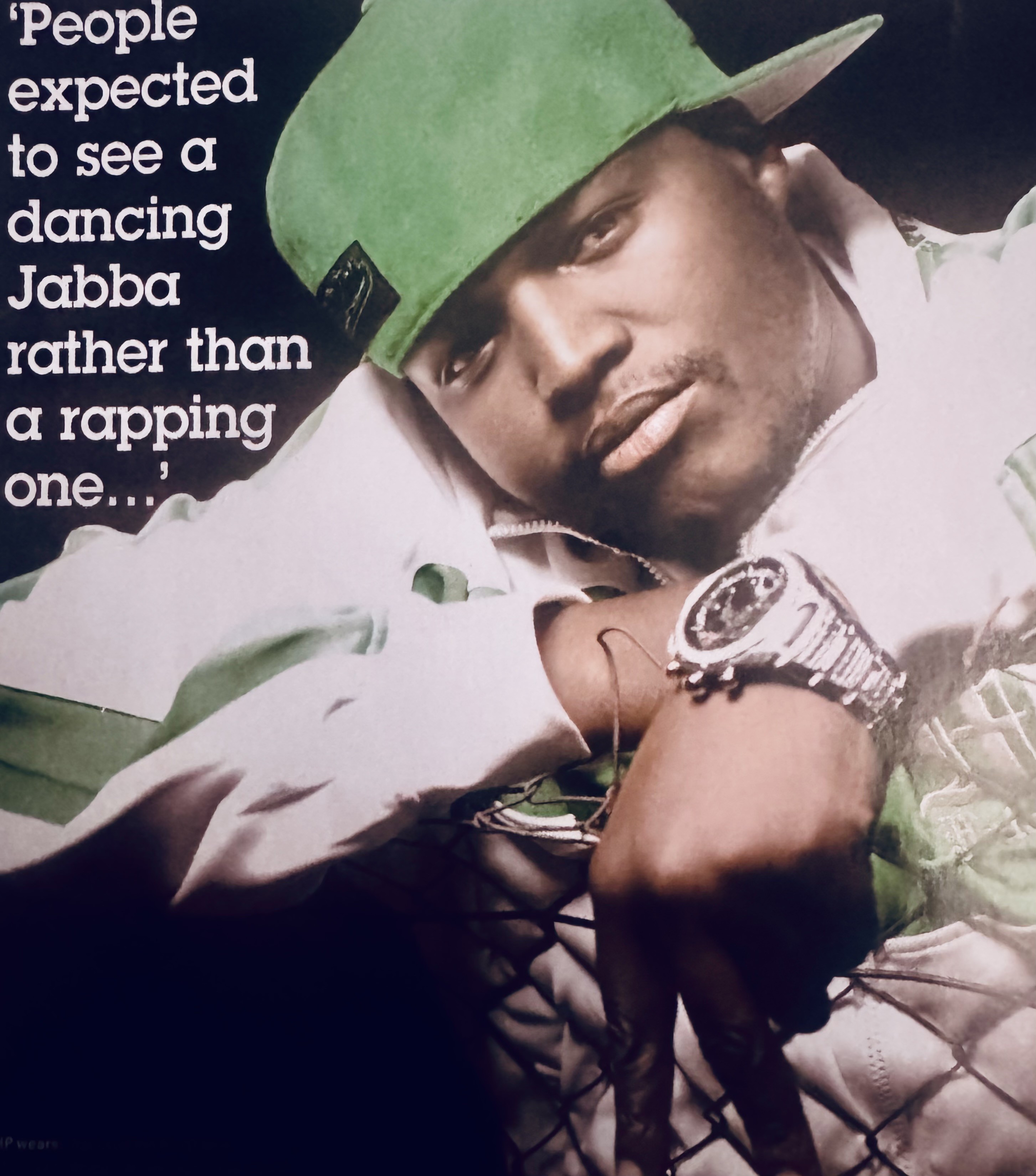
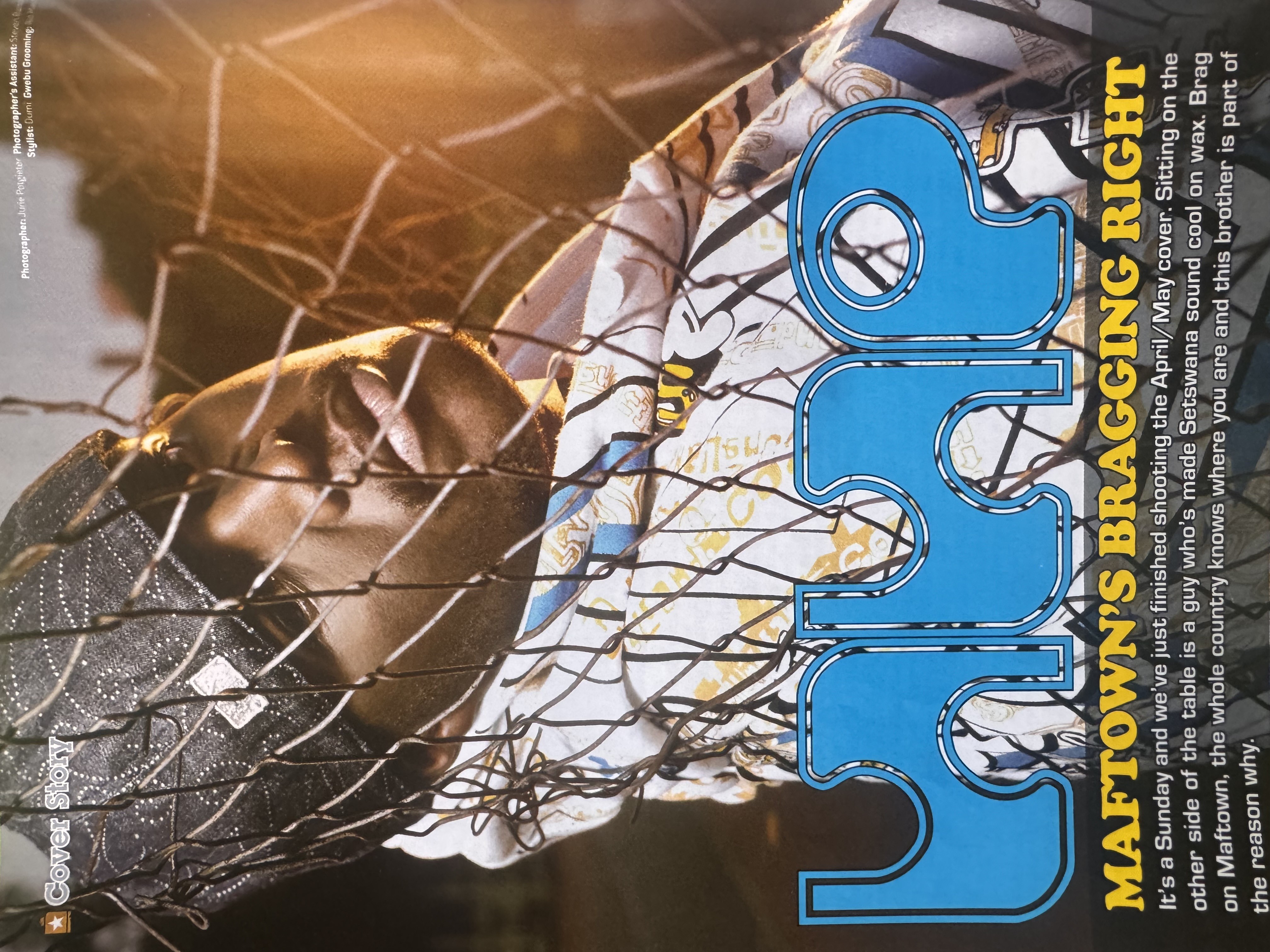
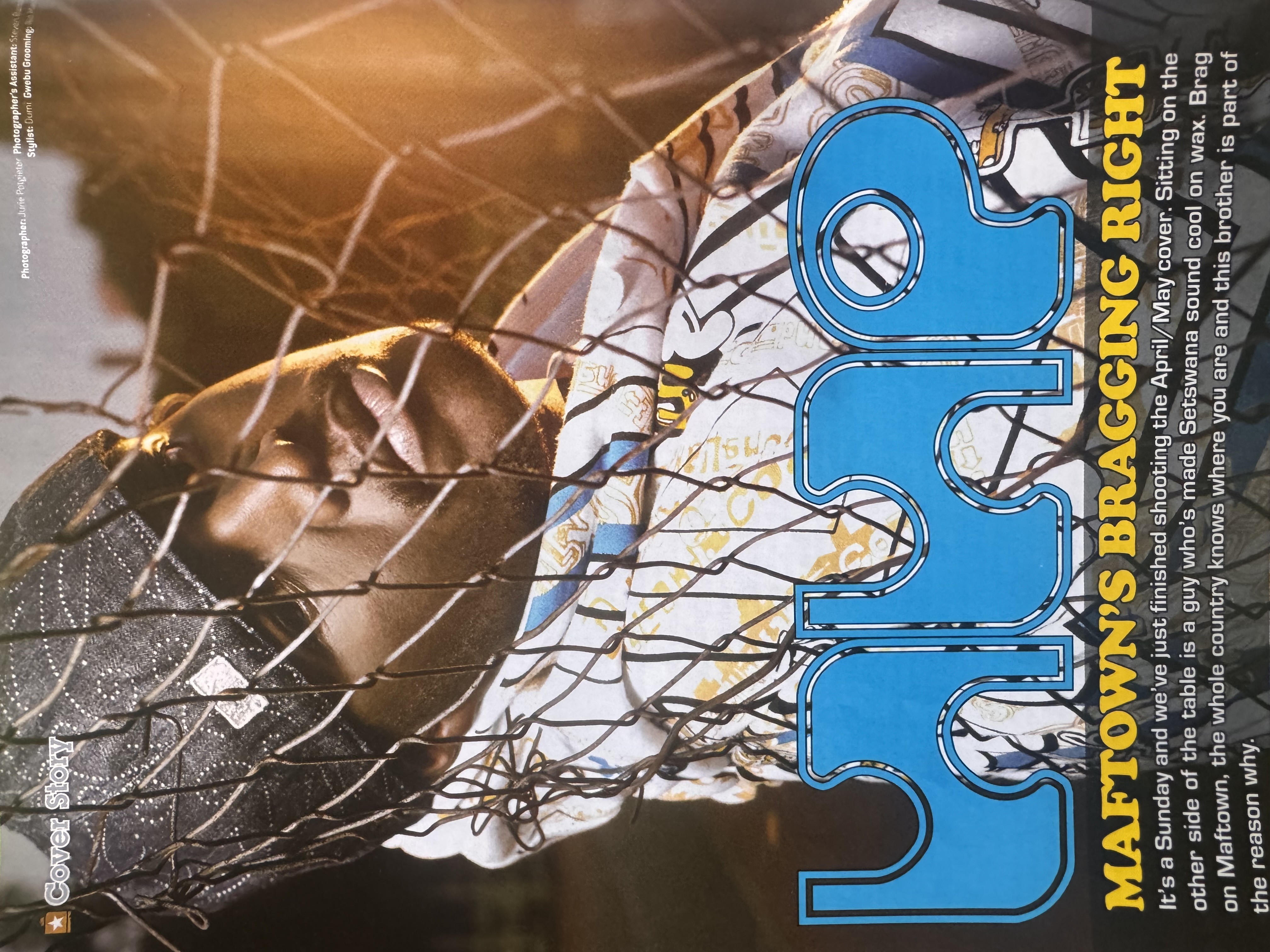
HHP MAFTOWN'S BRAGGING RIGHTS
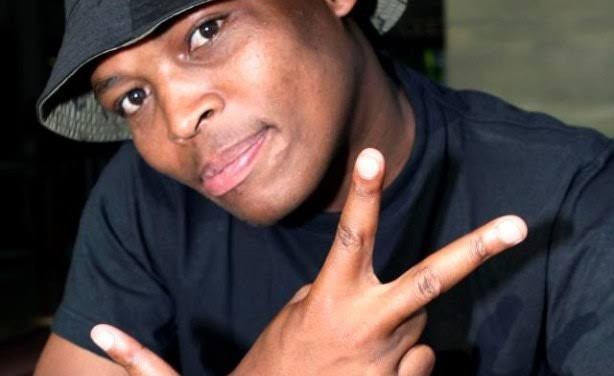
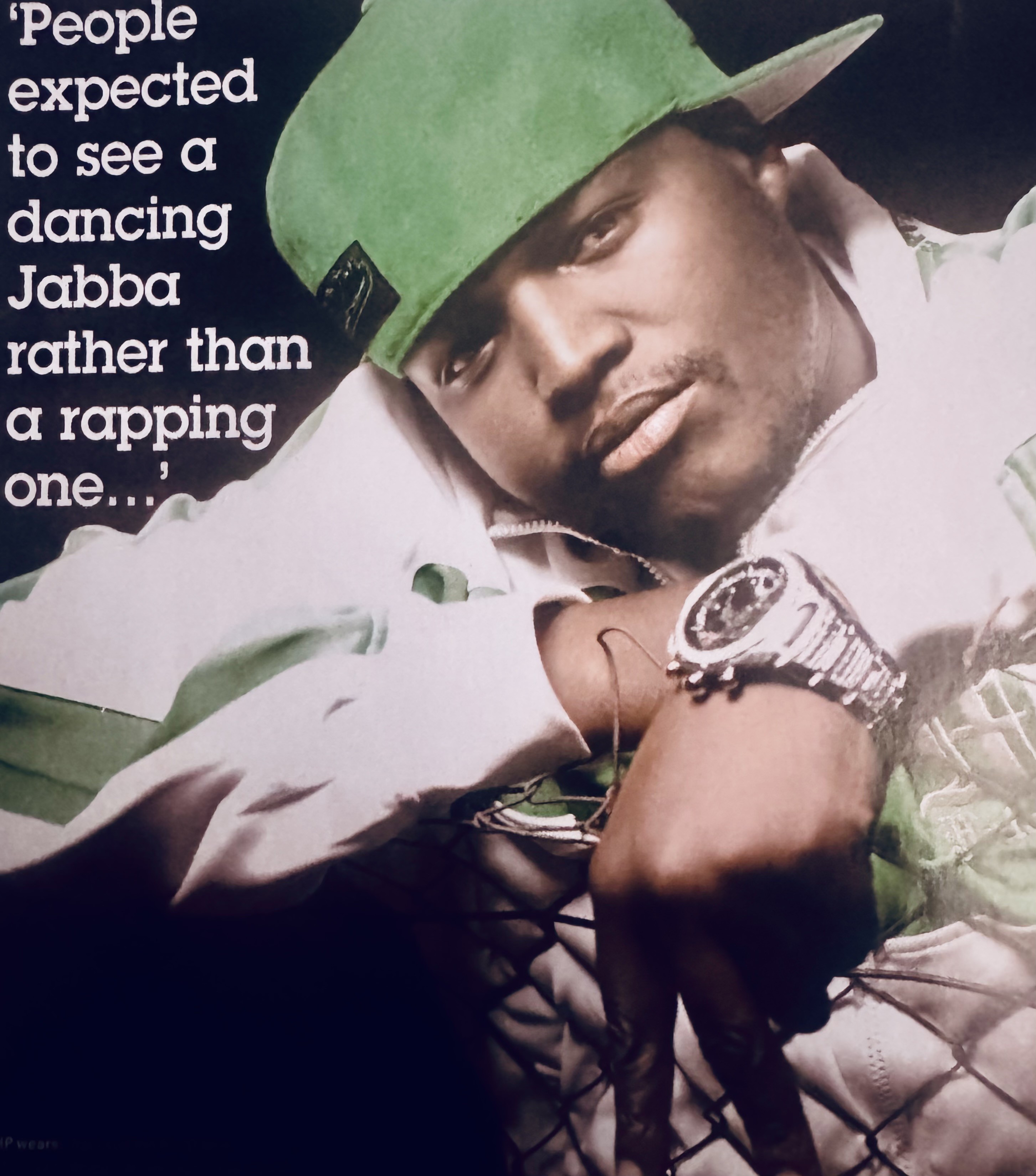
Jabulani Tsambo has come a long way and he's not harbouring any thoughts of stopping now. He admits that his first two albums were influenced greatly by the labels. I wouldn't say that the albums weren't me but yes I was required to do specific types tracks, you know? With that said I always try to build my album around current activity. MCs are seen as social commentators so I just try keep up with the times. O Mang was a build- ing process and I'm still building,' says Jabba.
Jabba-man certainly knows how to represent himself. When one has a look at his videos or listens to his music, it's evident that he enjoys what he does. When speaking about his music, he refrains from heaping unnecessary pressure on himself. "I remember back in the day when I was in high school ko lin] St. Albans [boys school in Pretorial, some dudes were telling me about another MC in the city who could take me out. Everyone was like Phatbuoy (Tumis previous namel is dope and he could run rings around you. I was in a different ***** e though - I mean I've never really considered myself an MC. When I was growing up I saw myself as more an RnB artist than a rapper, he explains.
The Maftown rapper still wasn't out of the mire for that Big Poppa verse he flipped on his second album Maftown. You know how it goes, if you rap more than four lines that belong to someone else, you're a biter. To me that was a form of expression man. I wanted to show that it's possible to flip an English verse in Setswana. I come from a drama background so it was a case of taking what I've learnt and applying it. I see it as lyrical sports, even K'naan did something similar on his album', says Jabba.
The thought of a dancing rapper sounded far-fetched until Big J scooped first place on the Strictly Come Dancing show. If anyone had predicted that Jabba would win, that person would've been given direc- tions to the nearest mad-house. HHP himself didn't take the whole thing seriously in the beginning. was performing at the FIFA World Cup handover and was approached to enter the competition but wasn't interested. When they approached again I thought, why not, l'm a fat dude and will probably get knocked out early on in the competition. To my surprise we came first in the opening show and I became worried about my hip hop image. I still didn't think I'd win but I wanted to get out of there because I thought it would mess with my rep if I stayed longer', he says.
The rapper's ability to entertain went into full swing as soon as the cameras started rolling. While the other dancers seemed to be slightly intimidated by the lens, Big J loved it. 'I thought I'd get knocked out with each show because all the other cats were hot dancers. They were hot in rehearsals and I wasn't. When we were in front of the cameras, it was a different story - it's like I just came alive. I think I only started believing that we could win it after the semifinals. That's when it dawned on me that we'd be competing for the ultimate prize, explains HHP. Artists are more than happy to receive awards or any type of recognition for the work they put in. Jabba doesn't mind it but he's certainly not going to wait for the day he wins a SAMA to thank his fans. 'My latest Album, Acceptance Speech is my way of thanking my fans and everyone who's ever shown me love In Maftown we grew up watching music award cer- emonies on TV so of course I wanted to win them as I held them in high esteem. However, I had never really won them and that's how Acceptance Speech came about. Awards are a landmark and it's never really a bad thing to win them but I appreciate the love and support from fans more', he explains.
YBA2 NW went gold but Jabba isn't happy with the numbers it did. He maintains that with the buzz he had, the album should've sold even better. To be honest with you I think YBA2NW should've done better than it did. I had just won the Strictly Come Dancing competition and was sure that the label would take advantage of the hype but that didn't happen. People were checking for me and I really think we should've benefited from that. The album ended up selling around 24 000 copies which to me was disappointing. The thing with labels is that when they've made their money they rest on their laurels instead of going for broke and ensuring that the artist benefits as much as he should', he argues.
Most of you might've seen a hot dime piece tha looks like Amerie in Jabba's music video Music And Lights. Was that a hot look-alike that Jabba hac in the video? Let's suspend the player-hatin' for minute and salute. On the real though, that dime you saw on the video is the real deal - Amerie. The people voted that they'd most like to see me with an international artist in a video. I remember the day I was introduced to Amerie. She used the name Jabba' to address me and I was shocked. I turne around and was like, did you just call me Jabba? She panicked thinking she ha
Jabulani Tsambo has come a long way and he's not harbouring any thoughts of stopping now. He admits that his first two albums were influenced greatly by the labels. I wouldn't say that the albums weren't me but yes I was required to do specific types tracks, you know? With that said I always try to build my album around current activity. MCs are seen as social commentators so I just try keep up with the times. O Mang was a build- ing process and I'm still building,' says Jabba.
Jabba-man certainly knows how to represent himself. When one has a look at his videos or listens to his music, it's evident that he enjoys what he does. When speaking about his music, he refrains from heaping unnecessary pressure on himself. "I remember back in the day when I was in high school ko lin] St. Albans [boys school in Pretorial, some dudes were telling me about another MC in the city who could take me out. Everyone was like Phatbuoy (Tumis previous namel is dope and he could run rings around you. I was in a different ***** e though - I mean I've never really considered myself an MC. When I was growing up I saw myself as more an RnB artist than a rapper, he explains.
The Maftown rapper still wasn't out of the mire for that Big Poppa verse he flipped on his second album Maftown. You know how it goes, if you rap more than four lines that belong to someone else, you're a biter. To me that was a form of expression man. I wanted to show that it's possible to flip an English verse in Setswana. I come from a drama background so it was a case of taking what I've learnt and applying it. I see it as lyrical sports, even K'naan did something similar on his album', says Jabba.
The thought of a dancing rapper sounded far-fetched until Big J scooped first place on the Strictly Come Dancing show. If anyone had predicted that Jabba would win, that person would've been given direc- tions to the nearest mad-house. HHP himself didn't take the whole thing seriously in the beginning. was performing at the FIFA World Cup handover and was approached to enter the competition but wasn't interested. When they approached again I thought, why not, l'm a fat dude and will probably get knocked out early on in the competition. To my surprise we came first in the opening show and I became worried about my hip hop image. I still didn't think I'd win but I wanted to get out of there because I thought it would mess with my rep if I stayed longer', he says.
The rapper's ability to entertain went into full swing as soon as the cameras started rolling. While the other dancers seemed to be slightly intimidated by the lens, Big J loved it. 'I thought I'd get knocked out with each show because all the other cats were hot dancers. They were hot in rehearsals and I wasn't. When we were in front of the cameras, it was a different story - it's like I just came alive. I think I only started believing that we could win it after the semifinals. That's when it dawned on me that we'd be competing for the ultimate prize, explains HHP. Artists are more than happy to receive awards or any type of recognition for the work they put in. Jabba doesn't mind it but he's certainly not going to wait for the day he wins a SAMA to thank his fans. 'My latest Album, Acceptance Speech is my way of thanking my fans and everyone who's ever shown me love In Maftown we grew up watching music award cer- emonies on TV so of course I wanted to win them as I held them in high esteem. However, I had never really won them and that's how Acceptance Speech came about. Awards are a landmark and it's never really a bad thing to win them but I appreciate the love and support from fans more', he explains.
YBA2 NW went gold but Jabba isn't happy with the numbers it did. He maintains that with the buzz he had, the album should've sold even better. To be honest with you I think YBA2NW should've done better than it did. I had just won the Strictly Come Dancing competition and was sure that the label would take advantage of the hype but that didn't happen. People were checking for me and I really think we should've benefited from that. The album ended up selling around 24 000 copies which to me was disappointing. The thing with labels is that when they've made their money they rest on their laurels instead of going for broke and ensuring that the artist benefits as much as he should', he argues.
Most of you might've seen a hot dime piece tha looks like Amerie in Jabba's music video Music And Lights. Was that a hot look-alike that Jabba hac in the video? Let's suspend the player-hatin' for minute and salute. On the real though, that dime you saw on the video is the real deal - Amerie. The people voted that they'd most like to see me with an international artist in a video. I remember the day I was introduced to Amerie. She used the name Jabba' to address me and I was shocked. I turne around and was like, did you just call me Jabba? She panicked thinking she ha
Sponsored by
IPFI ḼANGA
1 yr. ago
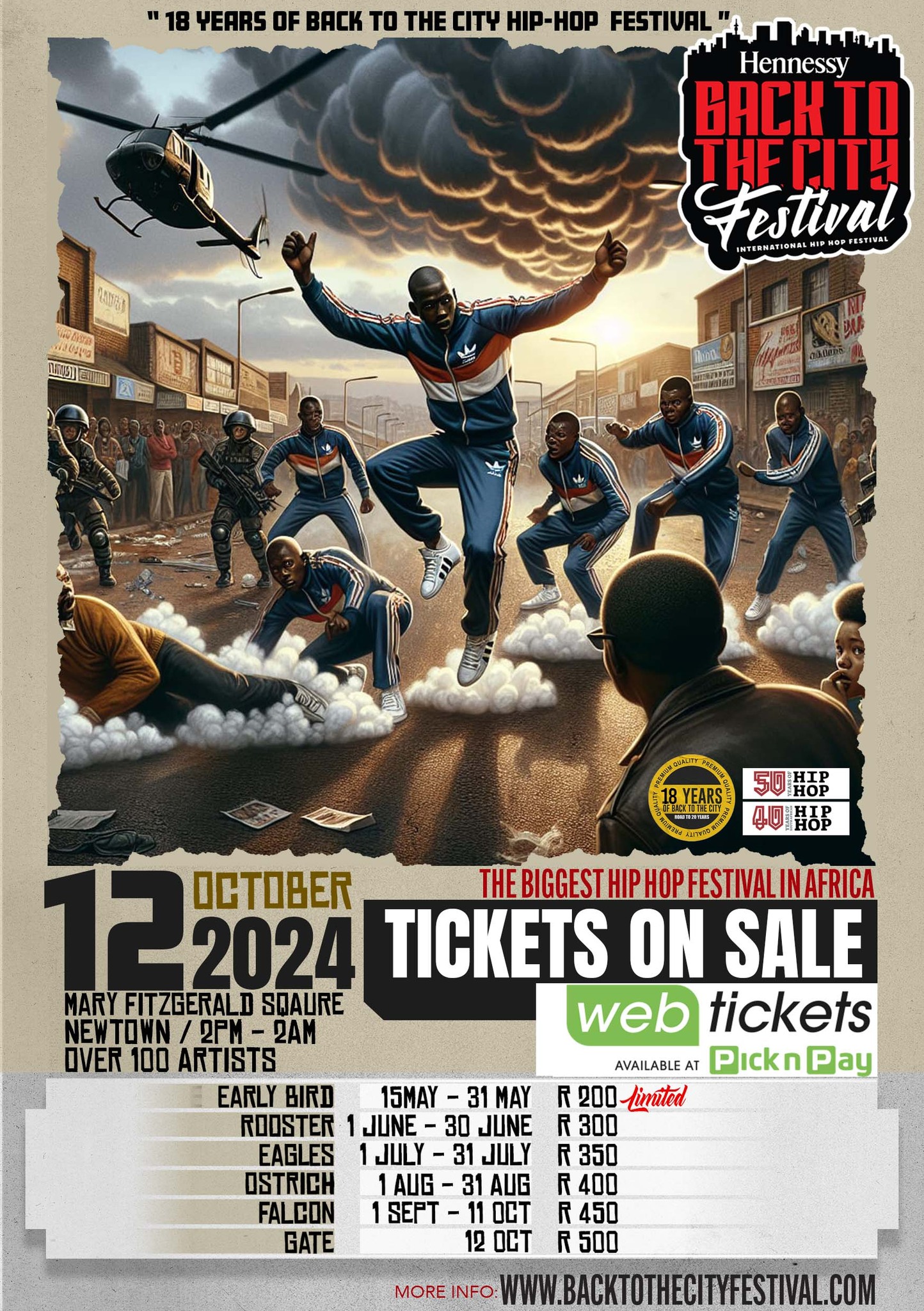
THE BIGGEST HIP HOP GATHERING IN AFRICA!!! 12 OCTOBER 2024 MARY FITZGERALD SQUARE NEWTOWN #BTTC2024
THE BIGGEST HIP HOP GATHERING IN AFRICA!!! 12 OCTOBER 2024 MARY FITZGERALD SQUARE NEWTOWN #BTTC2024
18 incredible years of support! ? Your love and support have been the heart of our journey. Here's to many more unforgettable moments together! #familyreunioin #18yearsofbttc #30yearsoffreedom #BTTCXHenessy"
Tickets on sale: shorturl.at/6NyrK
SEE YOU ON THE 12TH OCTOBER