
10 months ago
DO YOU NEED A MANAGER? Eddie Jenner, general manager of Electromode Music, explains that the role of a manager is to manage the business activities of the artist - which include, among other things, the record deal, publishing deal, live performances and endorsements. He gives the example of one of his labels hottest acts, Teargas, who approached the label through their manager.
For this work, the manager will take a percentage of all income received by the artist. A good manager will be your point of reference for questions and frustrations, and use his knowledge of the industry to hustle for the best possible gigs and rates. Some record companies find it easier to work with artists who have good managers, as the artists are more groomed and professional - and often more realistic about their expectations.
So who makes a good manager? A manager should be experienced and connected in the local industry, but you can also go far with a friend who has some business sense, is very organized, and is passionate about seeing your music career take off. So let him take that call at 8AM, and make appointments for interviews, so that you can get back to writing your next hit song
For this work, the manager will take a percentage of all income received by the artist. A good manager will be your point of reference for questions and frustrations, and use his knowledge of the industry to hustle for the best possible gigs and rates. Some record companies find it easier to work with artists who have good managers, as the artists are more groomed and professional - and often more realistic about their expectations.
So who makes a good manager? A manager should be experienced and connected in the local industry, but you can also go far with a friend who has some business sense, is very organized, and is passionate about seeing your music career take off. So let him take that call at 8AM, and make appointments for interviews, so that you can get back to writing your next hit song
11 months ago
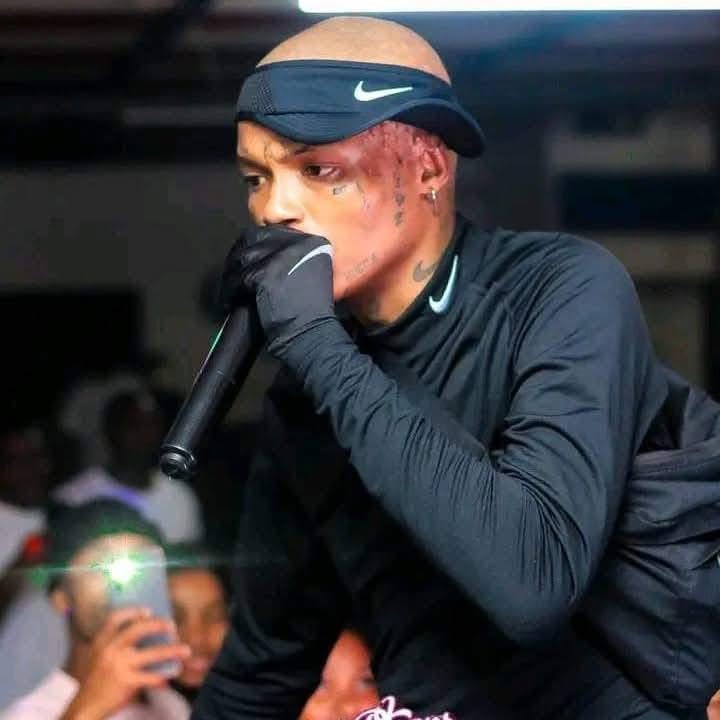
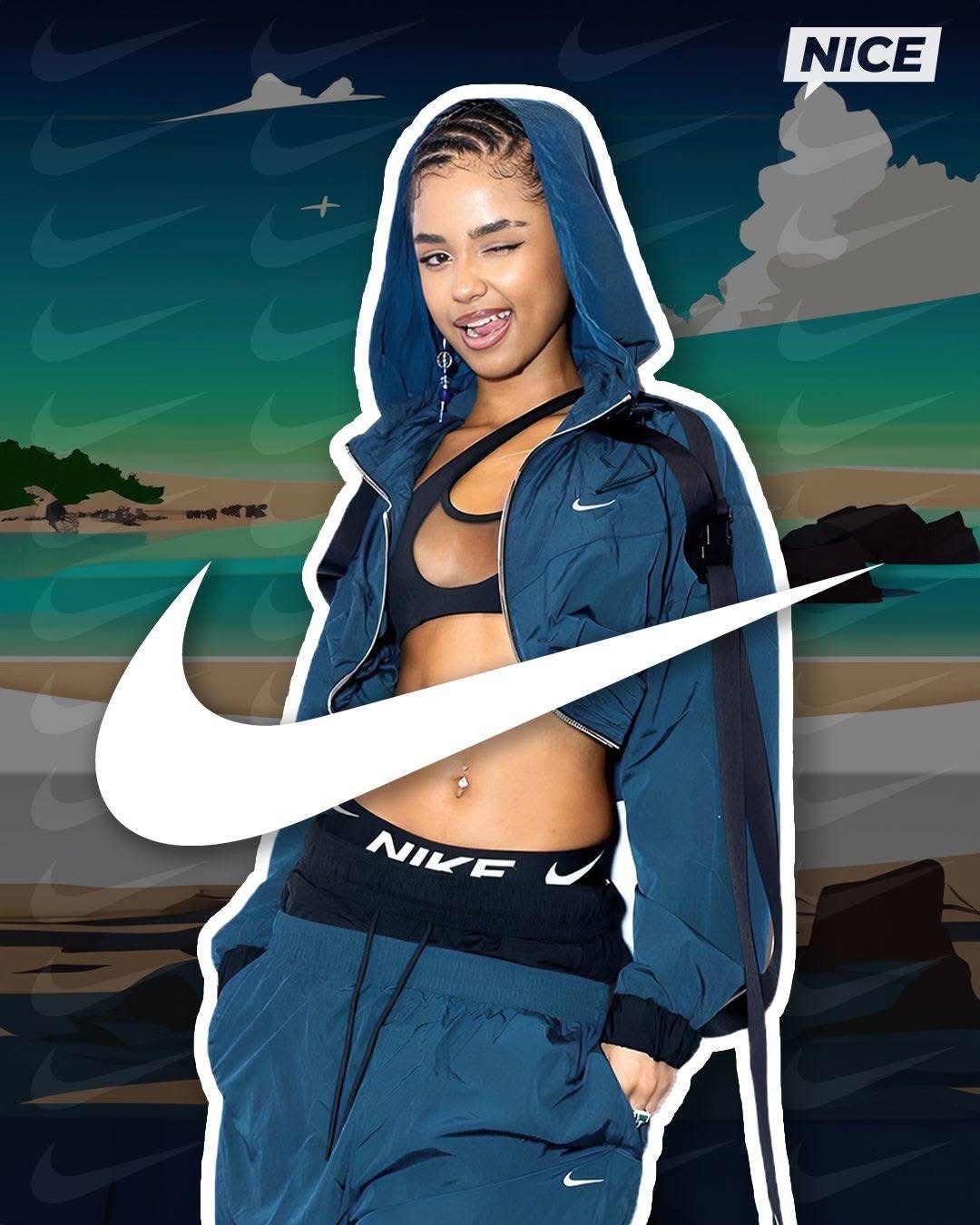
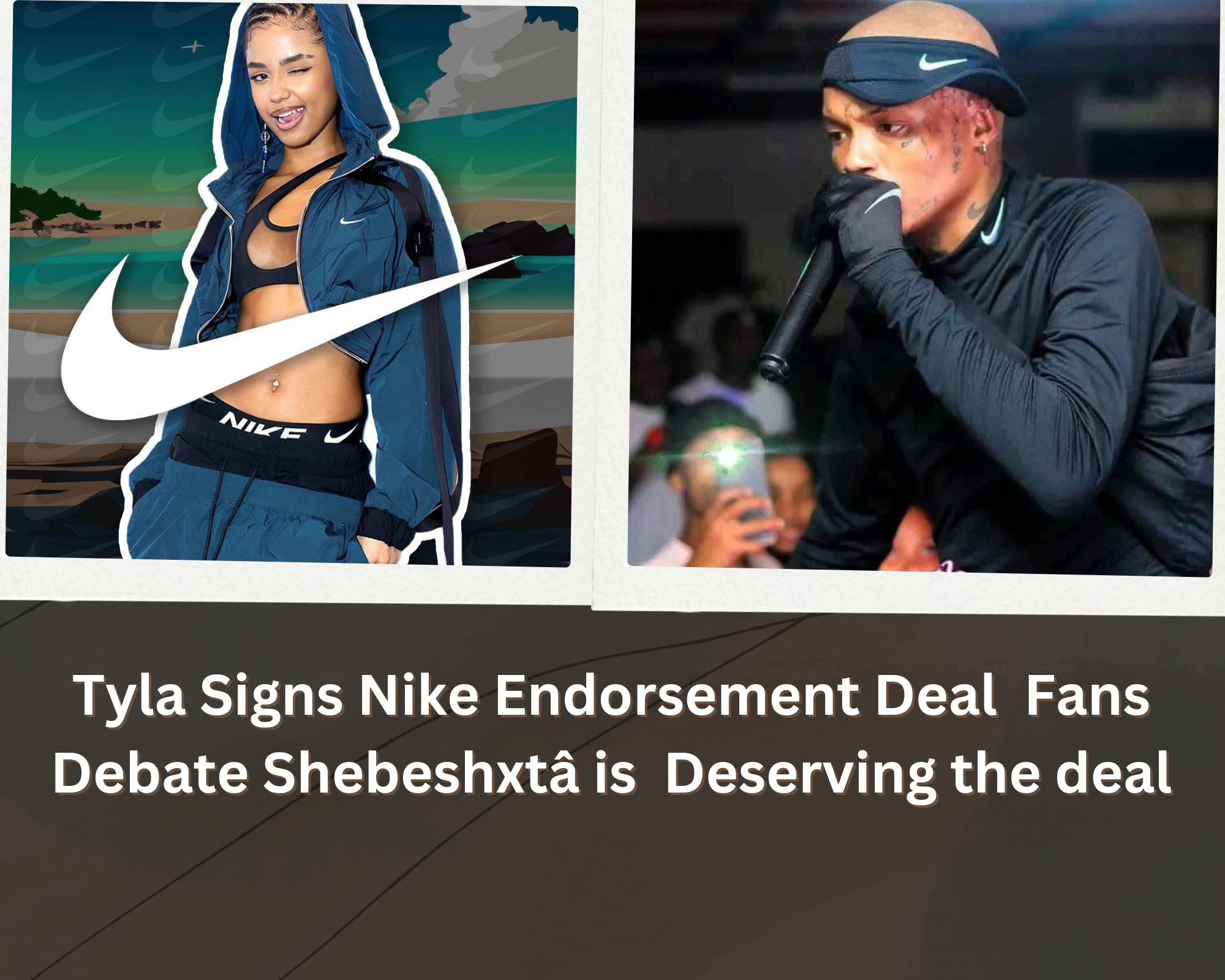
Tyla vs. Shebeshxt: Fans Clash Over Nike Endorsement Deal
Social media is on fire as a heated debate erupts over Nike’s latest endorsement deal with Tyla. While many are celebrating the “Water” hitmaker’s huge achievement, others believe that Shebeshxt—one of the most talked-about artists in South Africa right now—was more deserving of the deal.
The Debate: Tyla vs. Shebeshxt
Tyla’s global success and growing influence in the music industry have made her a perfect fit for international brand deals. With a Grammy win, chart-topping hits, and a strong fashion presence, her partnership with Nike seems like a natural move. However, some fans argue that Shebeshxt has had a bigger cultural impact locally, resonating deeply with grassroots supporters in South Africa.
Shebeshxt’s supporters claim that he embodies the authentic street culture and raw energy that Nike often ******* ociates itself with, making him the ideal candidate for a deal. His influence in the Kasi and his unfiltered, rebellious style align with the “Just Do It” spirit that Nike represents.
Social Media Reactions
The debate has split fans into two camps:
🔥 Team Tyla – Argues that her international reach, polished brand, and global appeal make her the obvious choice.
🔥 Team Shebeshxt – Believes Nike should have embraced a more local, streetwise artist who represents the real SA hustle.
One user tweeted: “Tyla is big internationally, but Shebeshxt is the people’s champ. Nike should have picked him to keep it real!”
Another countered: “Tyla is the future. She’s putting SA on the map globally. The Nike deal makes perfect sense.”
What’s Next?
With Shebeshxt’s rising influence, could another major brand step in and give him a deal that matches his street appeal? Will Nike address the controversy? One thing is for sure—the Shebe vs. Tyla debate is far from over, and both artists continue to make serious waves in their own lanes.
What do you think? Did Nike make the right choice, or should they have picked Shebeshxt?
#Tyla #Nike #Shebeshxt #Shebexhit #SAMA #Endorsement
Social media is on fire as a heated debate erupts over Nike’s latest endorsement deal with Tyla. While many are celebrating the “Water” hitmaker’s huge achievement, others believe that Shebeshxt—one of the most talked-about artists in South Africa right now—was more deserving of the deal.
The Debate: Tyla vs. Shebeshxt
Tyla’s global success and growing influence in the music industry have made her a perfect fit for international brand deals. With a Grammy win, chart-topping hits, and a strong fashion presence, her partnership with Nike seems like a natural move. However, some fans argue that Shebeshxt has had a bigger cultural impact locally, resonating deeply with grassroots supporters in South Africa.
Shebeshxt’s supporters claim that he embodies the authentic street culture and raw energy that Nike often ******* ociates itself with, making him the ideal candidate for a deal. His influence in the Kasi and his unfiltered, rebellious style align with the “Just Do It” spirit that Nike represents.
Social Media Reactions
The debate has split fans into two camps:
🔥 Team Tyla – Argues that her international reach, polished brand, and global appeal make her the obvious choice.
🔥 Team Shebeshxt – Believes Nike should have embraced a more local, streetwise artist who represents the real SA hustle.
One user tweeted: “Tyla is big internationally, but Shebeshxt is the people’s champ. Nike should have picked him to keep it real!”
Another countered: “Tyla is the future. She’s putting SA on the map globally. The Nike deal makes perfect sense.”
What’s Next?
With Shebeshxt’s rising influence, could another major brand step in and give him a deal that matches his street appeal? Will Nike address the controversy? One thing is for sure—the Shebe vs. Tyla debate is far from over, and both artists continue to make serious waves in their own lanes.
What do you think? Did Nike make the right choice, or should they have picked Shebeshxt?
#Tyla #Nike #Shebeshxt #Shebexhit #SAMA #Endorsement
11 months ago
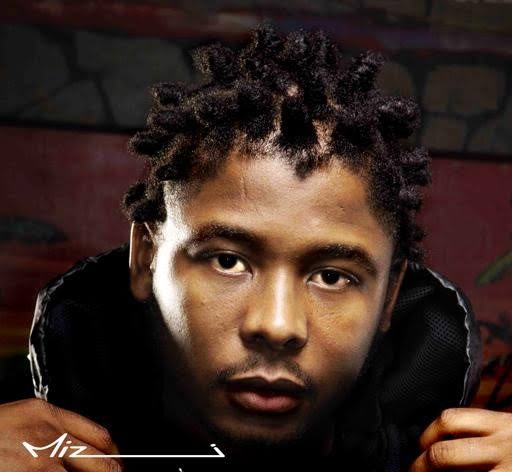
Mizi President SA Hip Hop once wrote
Raising The Next Generation
As hip hop artists and active headz, were not just here to have fun and drop records, were here to raise the next generation... Hip hop culture is the single most infivential youth sub-culture worldwide. I is the mos powerful way to communicate with young, people worldwide, In fry experience, the young adults of today have been raised by their parents or guardians, extended family, reachers as well as uncles Chuck D, Rakim, RZA and Snoop, not forgetting big, brothers Pac, Big, Canibus, MI, Stick Man and the POC family. Depending on your tate of course, it could have been Snoop who taught you the difference between a lady and a... well you figure it out. Chuck D may have opened your eyes to the teachings of Malcolm X and Steve Biko. For those who were old enough. POC got you standing in line to vote in "94 and helped you celebrate victory over the oppressor. Canibus trained your mind to become a sharper, more lethal weapon while Rakim gave you the confidence to say "here I am." ld like to speak to the big name artists for a change. To a lot of kids watching TV. listening to radio, copping your albums, seeing you on the scene and reading these articles... you are their heroes. They look up to you and want to be just like you. You have a responsibility to positively inspire them. They walk, talk, rap and dress like you, and subscribe to everything you subscribe to because you are opinion leaders. As much as clothing labels become popular to them through your endorsement, your lifestyle become desirable to them.
To the many of you setting a good example, keep it going, but to those of you who aren't. please check yourself. To the fans and aspiring artists... especially the younger generation - stay in school, stay away from drugs, stay focused and please take only the positive aspects of the culare. Hip hop culture is about knowledge of self, attaining a high level of awareness, teaching, learning and giving back to your community. It's about bringing about positive change and passing these values on to the next generation of headz.
As hip hop, we have always spoken about the positive and negative equally, in order to educate ourselves and others about the realities we face in our communities. We are a thinking people, and the single most influential youth sub-culture worldwide. Right now, this drug problem is decaying our minds and eroding what has been built by our pioneers. Come on! Keep your head up! This is more just music. And we are more than just producers, rappers, graf artists, b-boys. beat boxers and Djs, we're the leaders of a generation, and we are here to help raise the next generation. I was raised by my parents, extended family and teachers, but there were certain lessons that couldn't be taught in school and at home, and which were taught to me by the music. Let's keep this in mind and keep it moving, Peace.
Miziyonke wakaMtshali, iHlabangan elimhlophe Niengamas ovutshwe Ngochobeni, Magale! Agase Niengengonyama, Magalela Ngokugaler Umuzi Wendoda, Mantshinga Lonsele, Khandlo, Gebisa, Vezi, Miambo, Ndob'osetsheni, Nduno. Miz President, SA Hip Hop Editor, HYPE Magazine
2010 hype magazine
Raising The Next Generation
As hip hop artists and active headz, were not just here to have fun and drop records, were here to raise the next generation... Hip hop culture is the single most infivential youth sub-culture worldwide. I is the mos powerful way to communicate with young, people worldwide, In fry experience, the young adults of today have been raised by their parents or guardians, extended family, reachers as well as uncles Chuck D, Rakim, RZA and Snoop, not forgetting big, brothers Pac, Big, Canibus, MI, Stick Man and the POC family. Depending on your tate of course, it could have been Snoop who taught you the difference between a lady and a... well you figure it out. Chuck D may have opened your eyes to the teachings of Malcolm X and Steve Biko. For those who were old enough. POC got you standing in line to vote in "94 and helped you celebrate victory over the oppressor. Canibus trained your mind to become a sharper, more lethal weapon while Rakim gave you the confidence to say "here I am." ld like to speak to the big name artists for a change. To a lot of kids watching TV. listening to radio, copping your albums, seeing you on the scene and reading these articles... you are their heroes. They look up to you and want to be just like you. You have a responsibility to positively inspire them. They walk, talk, rap and dress like you, and subscribe to everything you subscribe to because you are opinion leaders. As much as clothing labels become popular to them through your endorsement, your lifestyle become desirable to them.
To the many of you setting a good example, keep it going, but to those of you who aren't. please check yourself. To the fans and aspiring artists... especially the younger generation - stay in school, stay away from drugs, stay focused and please take only the positive aspects of the culare. Hip hop culture is about knowledge of self, attaining a high level of awareness, teaching, learning and giving back to your community. It's about bringing about positive change and passing these values on to the next generation of headz.
As hip hop, we have always spoken about the positive and negative equally, in order to educate ourselves and others about the realities we face in our communities. We are a thinking people, and the single most influential youth sub-culture worldwide. Right now, this drug problem is decaying our minds and eroding what has been built by our pioneers. Come on! Keep your head up! This is more just music. And we are more than just producers, rappers, graf artists, b-boys. beat boxers and Djs, we're the leaders of a generation, and we are here to help raise the next generation. I was raised by my parents, extended family and teachers, but there were certain lessons that couldn't be taught in school and at home, and which were taught to me by the music. Let's keep this in mind and keep it moving, Peace.
Miziyonke wakaMtshali, iHlabangan elimhlophe Niengamas ovutshwe Ngochobeni, Magale! Agase Niengengonyama, Magalela Ngokugaler Umuzi Wendoda, Mantshinga Lonsele, Khandlo, Gebisa, Vezi, Miambo, Ndob'osetsheni, Nduno. Miz President, SA Hip Hop Editor, HYPE Magazine
2010 hype magazine
1 yr. ago
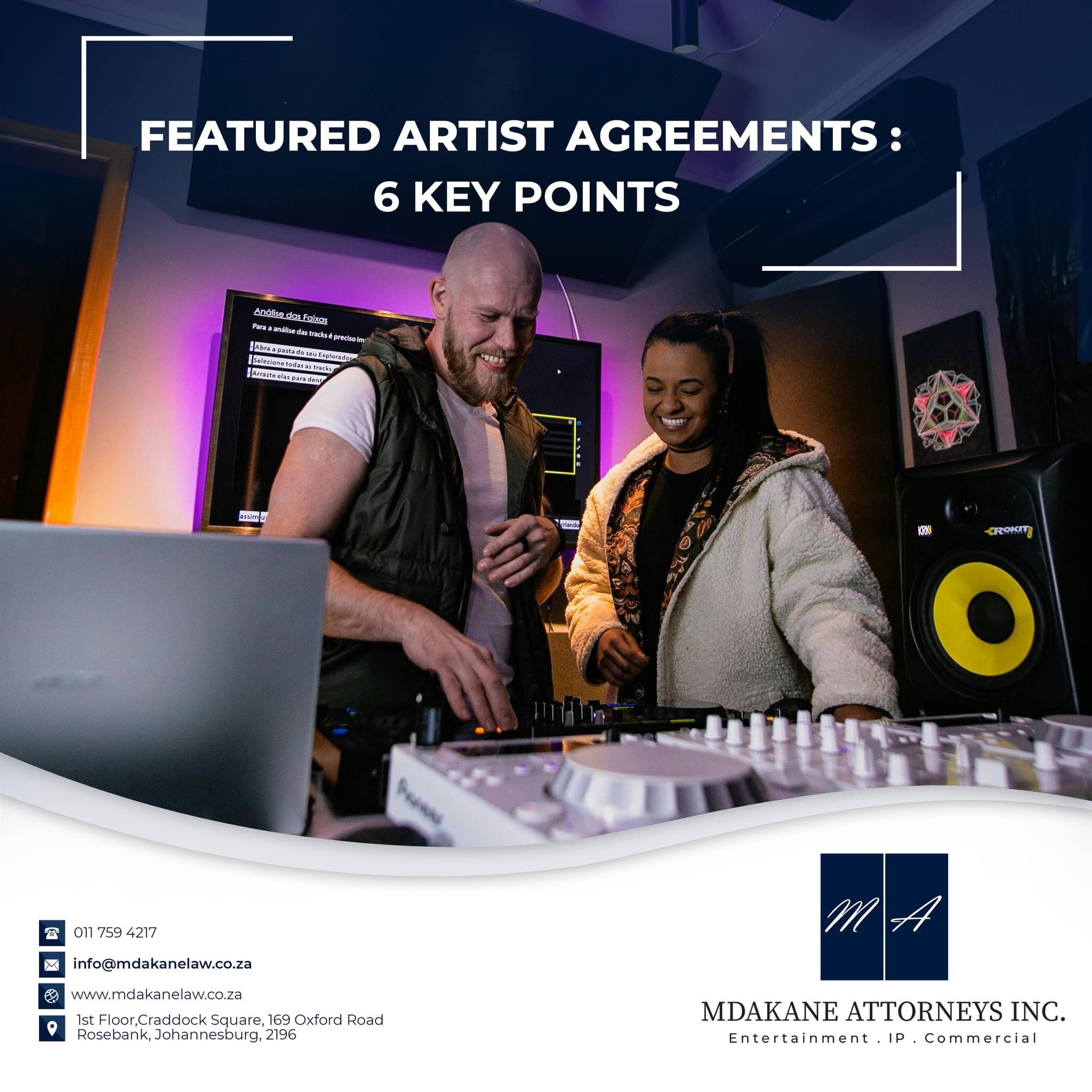
FEATURED ARTIST AGREEMENTS: 6 KEY POINTS
Artist collaboration disputes have gained increasing attention in South Africa. Many big songs are plagued by disagreements over ownership, royalties and credits. Featured Artist Agreements are designed to minimise such disputes.
Here are 6 key points to look out for in a Featured Artist Agreement:
1. MASTER OWNERSHIP
Typically, the primary artist or the record label will own the copyright in the sound recording (also known as the (“master”). This is because the primary artist or the label would have paid for the making of the sound recording. It’s not uncommon, however, for parties to agree to jointly own the sound recording.
2. COMPENSATION
The primary artist and featured artist should set out their desired compensation structure. The featured artist may receive a flat fee or percentage from the sales and streaming of the sound recording or a combination of both.
Additionally, accounting periods should be clearly stipulated i.e. how often the featured artist will receive financial reports and payment. There seems to be a tendency of artists to conclude agreements that only specify their respective shares in the song without addressing the timing of payments and other aspects. This is a recipe for disaster.
3. PERSONALITY RIGHTS
A clause addressing how the featured artist’s name, likeness and personal attributes are to be used is very important in a Featured Artist Agreement. To prevent unwanted **** ociations or endorsements, featured artists should ensure that the agreement confines the usage of their name, likeness and personal attributes solely to the promotion of the song.
4. MARKETING AND PROMOTION
The primary artist or the record label will usually take the responsibility of promoting the song. However, a big part of collaboration is to leverage the featured artist’s involvement. As such, the primary artist may want to clearly define the featured artist’s participation in promotional activities such as the shooting of a music video, public appearances, interviews or social media posts related to the song. Can you imagine incurring the cost of a music video and the featured artist doesn’t show up?
5. CREDIT
Attribution is one of the most important aspects of collaboration. The agreement should detail how and where the featured artist will be credited. Crediting artists not only enhances reputation and visibility but may affect the payment of royalties. For instance, the South African Music Performance Rights **** ociation (“SAMPRA”) will want to satisfy itself of the featured artist’s participation as a performer on the sound recording prior to allocating needletime royalties.
6. COMPOSITION ROYALTIES/ PUBLISHING
The agreement should set out the featured artist's ownership share in the copyright in the composition if the featured artist made a songwriting contribution. If not, the agreement should still clearly identify the writers and their respective shares in the composition.
NOTE: The points outlined above are not exhaustive and should not be considered hard and fast rules. Every agreement is unique and should be tailored to fit the specific needs and circumstances of the parties involved. It is always advisable to seek legal advice.
Artist collaboration disputes have gained increasing attention in South Africa. Many big songs are plagued by disagreements over ownership, royalties and credits. Featured Artist Agreements are designed to minimise such disputes.
Here are 6 key points to look out for in a Featured Artist Agreement:
1. MASTER OWNERSHIP
Typically, the primary artist or the record label will own the copyright in the sound recording (also known as the (“master”). This is because the primary artist or the label would have paid for the making of the sound recording. It’s not uncommon, however, for parties to agree to jointly own the sound recording.
2. COMPENSATION
The primary artist and featured artist should set out their desired compensation structure. The featured artist may receive a flat fee or percentage from the sales and streaming of the sound recording or a combination of both.
Additionally, accounting periods should be clearly stipulated i.e. how often the featured artist will receive financial reports and payment. There seems to be a tendency of artists to conclude agreements that only specify their respective shares in the song without addressing the timing of payments and other aspects. This is a recipe for disaster.
3. PERSONALITY RIGHTS
A clause addressing how the featured artist’s name, likeness and personal attributes are to be used is very important in a Featured Artist Agreement. To prevent unwanted **** ociations or endorsements, featured artists should ensure that the agreement confines the usage of their name, likeness and personal attributes solely to the promotion of the song.
4. MARKETING AND PROMOTION
The primary artist or the record label will usually take the responsibility of promoting the song. However, a big part of collaboration is to leverage the featured artist’s involvement. As such, the primary artist may want to clearly define the featured artist’s participation in promotional activities such as the shooting of a music video, public appearances, interviews or social media posts related to the song. Can you imagine incurring the cost of a music video and the featured artist doesn’t show up?
5. CREDIT
Attribution is one of the most important aspects of collaboration. The agreement should detail how and where the featured artist will be credited. Crediting artists not only enhances reputation and visibility but may affect the payment of royalties. For instance, the South African Music Performance Rights **** ociation (“SAMPRA”) will want to satisfy itself of the featured artist’s participation as a performer on the sound recording prior to allocating needletime royalties.
6. COMPOSITION ROYALTIES/ PUBLISHING
The agreement should set out the featured artist's ownership share in the copyright in the composition if the featured artist made a songwriting contribution. If not, the agreement should still clearly identify the writers and their respective shares in the composition.
NOTE: The points outlined above are not exhaustive and should not be considered hard and fast rules. Every agreement is unique and should be tailored to fit the specific needs and circumstances of the parties involved. It is always advisable to seek legal advice.

1 yr. ago
BROTHERLY ADVICE TO MY DEAREST SISTER TSHIDI MHOLO, SOMETIMES "DONT CUT THE NOSE TO SPITE YOUR FACE". REMEMBER THAT REMOVING YOUR VOCALS ON THE BACKTRACKS MAY NOT ADDRESS THE PROBLEM OF VOCALS ON THE MASTER
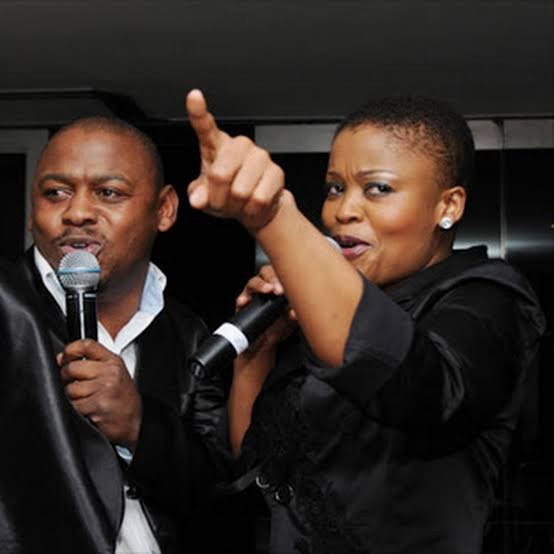
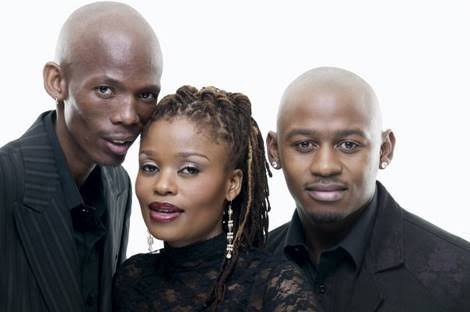
...The widely publicised feud in the Malaika camp, with Tshedi Mholo and Bongani Nchang at each other's throat over copyright matters is not necessary.
Reports state that Tshidi is aggrieved after fellow band member Bongani Nchang replaced her and has been performing their classic hits such as Destiny with new female vocalist Tsoakae Molipa without her consent. She said, “I keep getting tagged by fans in posts on social media telling me that they saw me perform at a gig but that wasn’t me. Some even tell me how bad I performed and this is tarnishing my brand.” As a result, she wants her vocals removed from the tracks.
After watching from the grand stand, we at SNRGROUP, wish to advice as follows:
1) Firstly, a song/songs is born out of two fundamental rights enshrined in the Copyright law as follows (a) Rights in Composition for the creators of the song/s and (b) Rights in Sound recordings for executive producers or investor (who eventually own the master). Removing specific vocals mean undoing the composition and spitting on the investment made to give a creative idea the life it deserves and brand image for market share. The quest to remove vocals on back tracks is a fruitless exercise, it is like a corporal punishment using a toilet paper.
2) Secondly, the removal of specific vocals on a song also affect the notification that was given to SAMRO about the song, including the ISRC code received from AIRCO/RISA embedded in that specific track/tracks. The vocals in question, are not just mere backing vocals, but lead vocals which gives all the Malaika classic hits the shape and texture. Any tempering with the tracks mean rerecording of all of them.
3) Thirdly, the silence of Sony (record company that owns the master rights) is telling. I doubt that it can entertain the spilling of their milk investment just like that. If my memory serves me well the group is still signed with Sony Music.
SOLUTION
Leave the new man made group to keep the public performance going and earn your share of composition rights via SAMRO. Enjoy all mechanical rights from CAPASSO and benefit from needletime from IMPRA/SAMPRA/MBOKODO
You will still benefit from all the Synchronization deals that are made with television production houses, advertising agencies and film companies. Any endorsement using the original tracks will bring the fat cheque back home.
The new Tshidi on live performances must not be a threat because she is not you and will earn live performance fees only until the group record a new album.
So, calm down and watch your money machine at work. This fued will drain you and it will waste most of your precious time and resources.
Worse if all the vocals are successfully removed, you will have lost a lifetime copyright on each track plus 50 years of ownership after death.
Just a brotherly advise...Snr
...The widely publicised feud in the Malaika camp, with Tshedi Mholo and Bongani Nchang at each other's throat over copyright matters is not necessary.
Reports state that Tshidi is aggrieved after fellow band member Bongani Nchang replaced her and has been performing their classic hits such as Destiny with new female vocalist Tsoakae Molipa without her consent. She said, “I keep getting tagged by fans in posts on social media telling me that they saw me perform at a gig but that wasn’t me. Some even tell me how bad I performed and this is tarnishing my brand.” As a result, she wants her vocals removed from the tracks.
After watching from the grand stand, we at SNRGROUP, wish to advice as follows:
1) Firstly, a song/songs is born out of two fundamental rights enshrined in the Copyright law as follows (a) Rights in Composition for the creators of the song/s and (b) Rights in Sound recordings for executive producers or investor (who eventually own the master). Removing specific vocals mean undoing the composition and spitting on the investment made to give a creative idea the life it deserves and brand image for market share. The quest to remove vocals on back tracks is a fruitless exercise, it is like a corporal punishment using a toilet paper.
2) Secondly, the removal of specific vocals on a song also affect the notification that was given to SAMRO about the song, including the ISRC code received from AIRCO/RISA embedded in that specific track/tracks. The vocals in question, are not just mere backing vocals, but lead vocals which gives all the Malaika classic hits the shape and texture. Any tempering with the tracks mean rerecording of all of them.
3) Thirdly, the silence of Sony (record company that owns the master rights) is telling. I doubt that it can entertain the spilling of their milk investment just like that. If my memory serves me well the group is still signed with Sony Music.
SOLUTION
Leave the new man made group to keep the public performance going and earn your share of composition rights via SAMRO. Enjoy all mechanical rights from CAPASSO and benefit from needletime from IMPRA/SAMPRA/MBOKODO
You will still benefit from all the Synchronization deals that are made with television production houses, advertising agencies and film companies. Any endorsement using the original tracks will bring the fat cheque back home.
The new Tshidi on live performances must not be a threat because she is not you and will earn live performance fees only until the group record a new album.
So, calm down and watch your money machine at work. This fued will drain you and it will waste most of your precious time and resources.
Worse if all the vocals are successfully removed, you will have lost a lifetime copyright on each track plus 50 years of ownership after death.
Just a brotherly advise...Snr

Sponsored by
IPFI ḼANGA
1 yr. ago
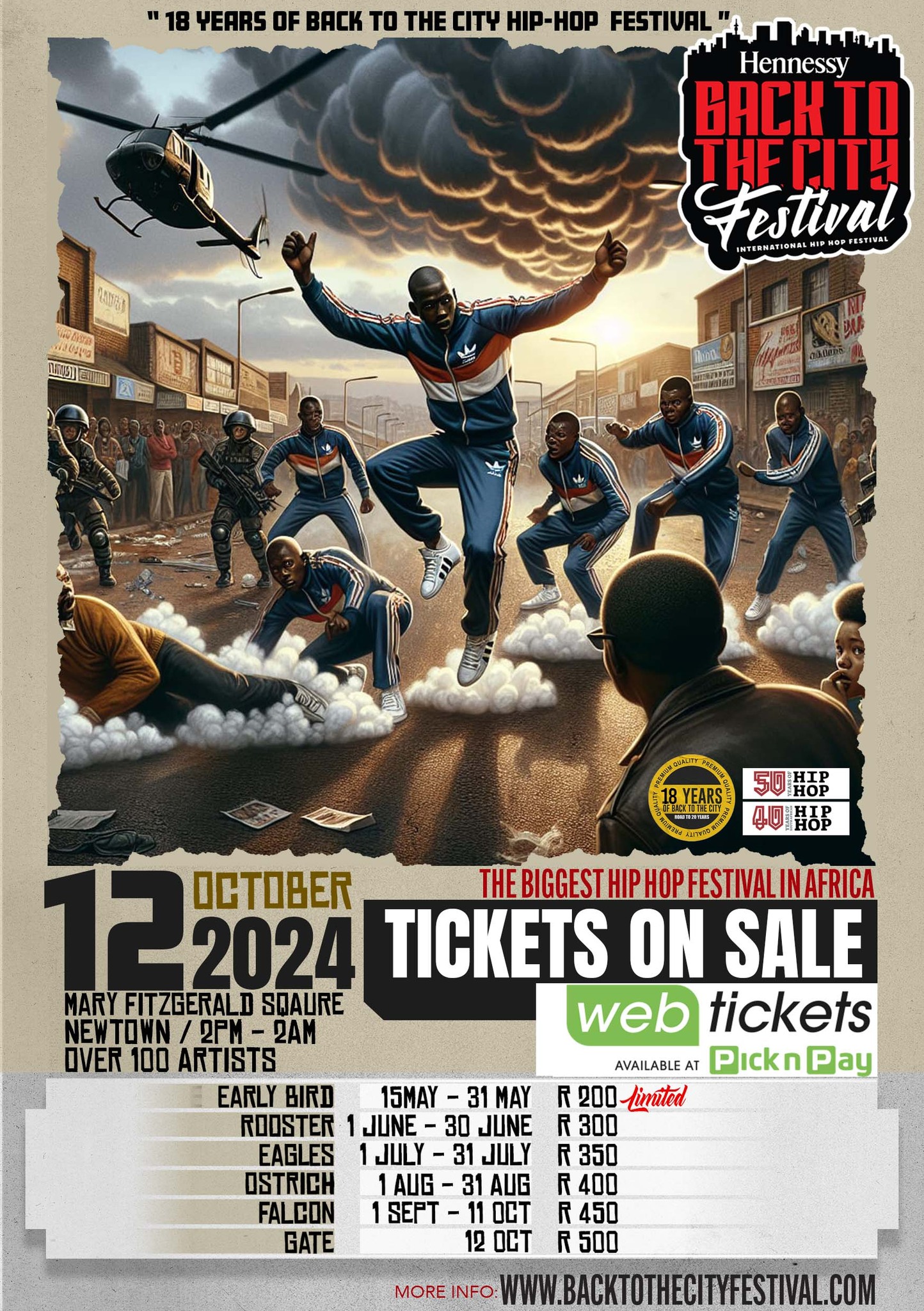
THE BIGGEST HIP HOP GATHERING IN AFRICA!!! 12 OCTOBER 2024 MARY FITZGERALD SQUARE NEWTOWN #BTTC2024
THE BIGGEST HIP HOP GATHERING IN AFRICA!!! 12 OCTOBER 2024 MARY FITZGERALD SQUARE NEWTOWN #BTTC2024
18 incredible years of support! ? Your love and support have been the heart of our journey. Here's to many more unforgettable moments together! #familyreunioin #18yearsofbttc #30yearsoffreedom #BTTCXHenessy"
Tickets on sale: shorturl.at/6NyrK
SEE YOU ON THE 12TH OCTOBER